Coffee Basics
What Coffee Is
Coffee is a brewed drink prepared from roasted coffee beans, the seeds of berries from certain flowering plants in the Coffea genus. From the coffee fruit, the seeds are separated to produce a stable, raw product: unroasted green coffee. The seeds are then roasted, a process which transforms them into a consumable product: roasted coffee, which is ground into fine particles that are typically steeped in hot water before being filtered out, producing a cup of coffee.
Coffee is darkly colored, bitter, slightly acidic and has a stimulating effect in humans, primarily due to its caffeine content. It is one of the most popular drinks in the world and can be prepared and presented in a variety of ways (e.g., espresso, French press, caffè latte, or already-brewed canned coffee).
It is usually served hot, although chilled or iced coffee is common. Sugar, sugar substitutes, milk or cream are often used to lessen the bitter taste or enhance the flavor. It may be served
with coffee cake or another sweet dessert, like doughnuts. A commercial establishment that sells prepared coffee beverages is known as a coffeehouse or coffee shop (not to be confused with Dutch coffeeshops selling cannabis).
Clinical research indicates that moderate coffee consumption is benign or mildly beneficial as a stimulant in healthy adults, with continuing research on whether long-term consumption has positive or negative effects.

Some Coffee History
Though coffee is now a global commodity, it has a long history tied closely to food traditions around the Red Sea. The earliest credible evidence of the drinking of coffee in the form of the
modern beverage appears in modern-day Yemen from the mid-15th century in Sufi shrines, where coffee seeds were first roasted and brewed in a manner similar to current methods.
The Yemenis procured the coffee beans from the Ethiopian Highlands via coastal Somali intermediaries and began cultivation. By the 16th
century, the drink had reached the rest of the Middle East and North Africa, later spreading to Europe. In the 20th century, coffee became a much more global commodity, creating different coffee cultures around the world.
According to one legend, ancestors of today's Oromo people in a region of Jimma in Ethiopia were the first to recognize the energizing effect of the coffee plant. However,
no direct evidence that has been found earlier than the 15th century indicating who among the African populations used it as a stimulant, or where coffee was first cultivated.
The story of Kaldi, the 9th-century Ethiopian goatherd who discovered the stimulating effect of coffee when he
noticed how excited his goats became after eating the beans from a coffee plant, did not appear in writing until 1671 and is probably apocryphal.
Another legend attributes the discovery of coffee to a Sheikh Omar. According to an old chronicle (preserved in the Abd-Al-Kadir manuscript),
Omar, who was known for his ability to cure the sick through prayer, was once exiled from Mocha in Yemen to a desert cave near Ousab (modern-day Wusab, about 90 kilometres (56 mi) east of Zabid, Yemen).
Starving, Omar chewed berries from nearby shrubbery but found them to be too bitter. He tried roasting the seeds to improve the flavor, but they became hard.
He then tried boiling them to soften the seed, which resulted in a fragrant brown liquid. Upon drinking the liquid,
Omar was revitalized and sustained for days. As stories of this "miracle drug" reached Mocha, Omar was asked to return and was made a saint.
Steps To Make Black Coffee
Coffee Pro's & Con's
| Type | Pro | Con |
|---|---|---|
| Black Coffee | Black Coffee keeps Your Heart Healthy | Coffee can keep your stomach constipated |
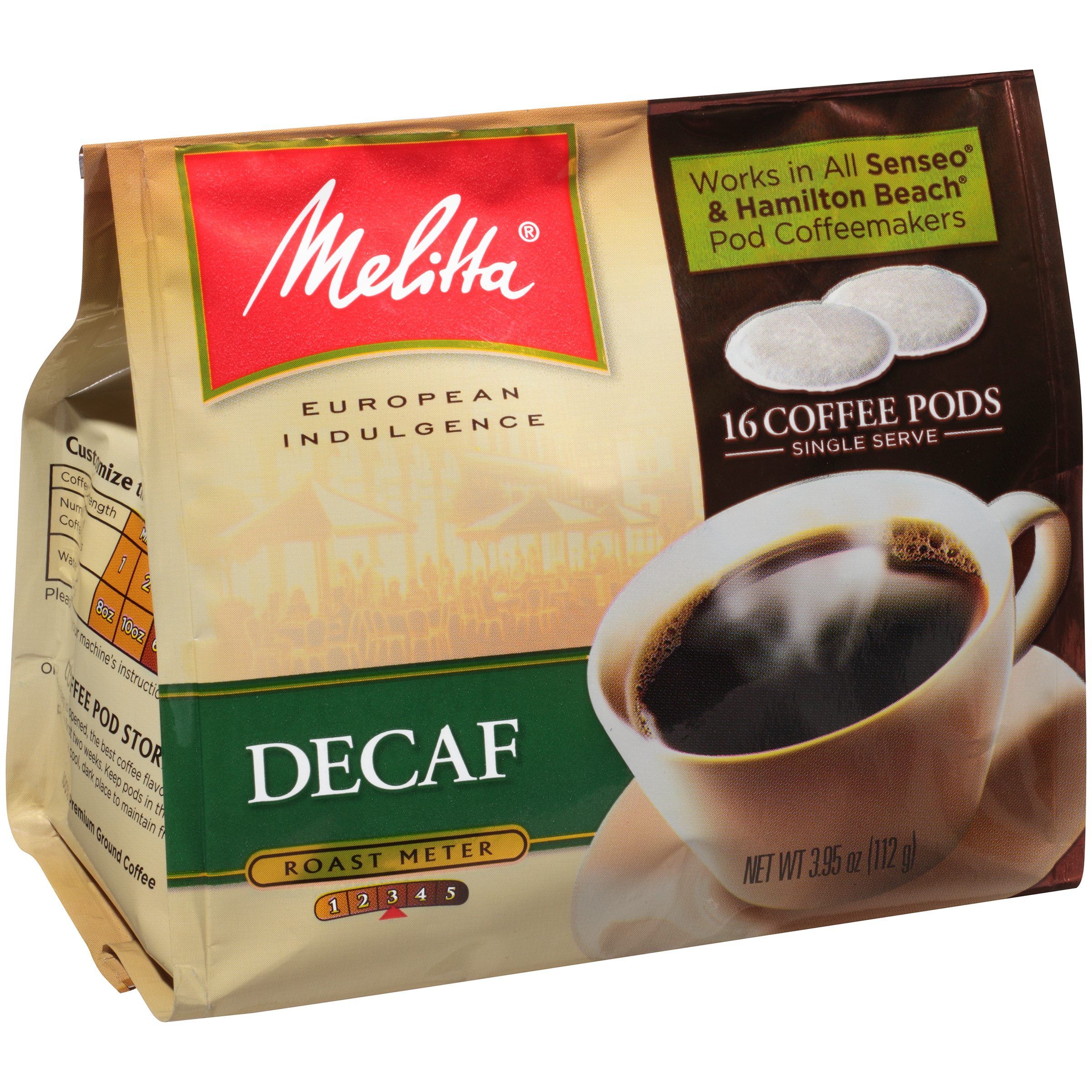
| Decaf Coffee | Caffeine sensitivity. With decaf coffee, you escape the negative side effects of caffeine in regular coffee | Chemicals. Some decaf coffee is made with methyl chloride, which is a chemical found in paint stripper |
Extra Facts
- Italian “expresso” The word espresso comes from Italian and means “expressed” or “forced out”. Espresso is made by forcing very hot water under high pressure through finely ground, compacted coffee
- King Frederick of Germany created a special task force to search out illicit coffee smugglers. The task force was known as the Kaffee Schnuffler. The king believed that soldiers who drank coffee were not dependable.
- During the American Civil War soldiers who were craving coffee and couldn't get it tried roasting sweet potatoes and corn to make a beverage similar to coffee. It obviously didn't become a popular choice.
- Brazil produced a postal stamp that smelled like coffee in December 2001. It was designed to promote their coffee and the smell is supposed to last for up to 5 years.
- Did you know goats were the reason why coffee was invented? According to legend, in the 9th century, Ethiopian farmers noticed the way their goats danced when they ate the Coffea plant. A local monk decided to give it a try and realized the drink kept him up at night and thus, coffee was born.
- While they may look like beans, it’s actually pits of berries you’re enjoying in your morning cup. They received the name coffee beans thanks to their resemblance to legumes.
- According to the American College of Physicians, it’s possible. A study done by the team showed that people who drank coffee long-term had longer mortality than many of those who were not coffee drinkers.
- During the reign of the Ottoman Empire, people were punished for drinking coffee. This may sound a bit drastic, especially since the punishment was usually death, but rulers believed coffee was a narcotic and banned it from consumption.